

Understanding Gambling Addiction
Gambling addiction is a complex mental health issue that affects millions of individuals worldwide. It often starts with the thrill of winning, creating a cycle of desire that can quickly spiral out of control. The adrenaline rush that comes from betting can lead to impulsive behavior and poor decision-making, ultimately resulting in significant personal and financial loss. As the stakes get higher, individuals may find themselves trapped in a relentless pursuit of the next big win, which only exacerbates their mental health struggles. Many are now turning to platforms like rainbetsaustralia.com, which are enhancing the gaming experience while focusing on responsible practices.

The psychological toll of gambling addiction is profound and multifaceted. Those who engage in compulsive gambling often face feelings of shame, anxiety, and depression. These emotions can become overwhelming, leading to a decline in overall mental health. Social relationships may deteriorate as individuals prioritize gambling over family and friends, further isolating themselves and worsening their emotional state. Understanding these dynamics is crucial for developing effective support systems and treatment options.
Moreover, gambling addiction can lead to co-occurring disorders, such as substance abuse or severe anxiety disorders. Individuals may turn to alcohol or drugs as coping mechanisms for the stress and guilt associated with their gambling activities. This creates a vicious cycle where one addiction fuels another, making recovery increasingly challenging. Awareness of these interconnected issues is essential for those seeking help, as it highlights the need for comprehensive treatment plans that address both gambling addiction and any underlying mental health conditions.
Symptoms and Warning Signs
Recognizing the symptoms of gambling addiction can be the first step toward recovery. Common signs include a preoccupation with gambling, increased tolerance to risk, and withdrawal symptoms when not gambling. These behaviors often go unnoticed by friends and family, making it even more difficult for the individual to seek help. Gamblers may also engage in deceitful practices, such as lying about their gambling habits or borrowing money to fund their activities, which can further complicate their mental health issues.
Another critical warning sign is the financial impact of gambling. Those struggling with addiction often experience severe financial difficulties, which can manifest as unpaid debts, legal troubles, or even bankruptcy. The stress that arises from these financial burdens can lead to increased anxiety and depression, compounding the individual's mental health struggles. Awareness of these symptoms is crucial for family members and friends who may be in a position to offer support or intervene.
Additionally, the emotional fallout from gambling addiction can manifest in various ways. Individuals may experience mood swings, irritability, and a general lack of motivation in other aspects of life. This emotional volatility can strain relationships and diminish overall quality of life, leading to feelings of hopelessness. Understanding these symptoms can empower loved ones to encourage the individual to seek help before the situation escalates further.
The Impact on Family and Relationships
The impact of gambling addiction extends beyond the individual, often creating ripples of distress that affect family members and close relationships. Partners, children, and even friends can feel the strain as they navigate the complexities of living with someone who has a gambling problem. Trust issues often arise as financial strain forces families to re-evaluate their priorities and relationships. The emotional toll can lead to feelings of betrayal, resentment, and even anger, making it essential for families to seek support and counseling.
Furthermore, family dynamics can become increasingly complicated as the gambler's behavior becomes more erratic. Financial instability might force families into difficult decisions, such as cutting back on essential needs or taking on additional work to cover debts. This added stress can lead to conflicts that fracture family bonds, creating an environment of tension and anxiety. Open communication and education about the nature of gambling addiction are vital for families struggling with its effects.
Support groups for families affected by gambling addiction can offer a lifeline. These groups provide a safe space for individuals to share their experiences, learn coping strategies, and gain emotional support. By understanding that they are not alone, family members can better navigate their feelings and improve the overall family dynamic. This kind of support is crucial for fostering resilience and promoting healing in the wake of gambling-related challenges.
Strategies for Recovery
Recovery from gambling addiction is a challenging yet attainable goal. A multi-faceted approach is often the most effective, incorporating therapy, support groups, and, when necessary, medication. Cognitive-behavioral therapy (CBT) has proven particularly effective, helping individuals identify and change unhealthy thought patterns related to gambling. This therapy can empower individuals to develop healthier coping mechanisms and rebuild their self-esteem, fostering a more positive mental health outlook.
Support groups like Gamblers Anonymous provide community and accountability, allowing individuals to share their experiences in a judgment-free environment. These groups promote a sense of belonging and support, reinforcing the idea that recovery is possible. The collective wisdom of those who have faced similar struggles can be incredibly motivating, helping individuals to stay committed to their recovery journey.
In addition to professional help and support groups, lifestyle changes can also play a crucial role in recovery. Engaging in healthy activities, such as exercise or hobbies, can provide positive outlets for stress and help replace gambling behaviors. Building a strong social support network that includes understanding friends and family can also make a significant difference. Recovery is not just about stopping gambling; it involves creating a balanced and fulfilling life that promotes mental well-being.
Exploring Safe Gaming Environments
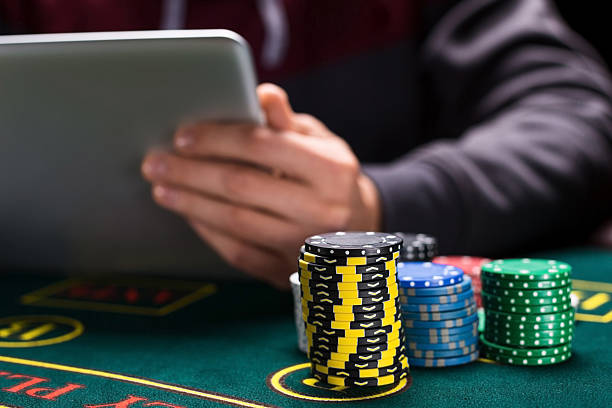
As the digital landscape evolves, the emergence of safe gaming environments is crucial for protecting mental health. Online platforms, including Rainbet Casino, are pioneering initiatives that promote responsible gambling practices. By implementing features that allow players to set limits on their betting activities, these platforms aim to minimize the risk of addiction. Such measures serve as a proactive approach to maintaining a healthy gaming experience, which is essential in today’s fast-paced digital world.
Additionally, user education about the risks of gambling and available resources is becoming increasingly important. Awareness campaigns can empower players to make informed decisions, reducing the likelihood of developing harmful behaviors. Platforms focusing on mental health are starting to integrate wellness resources, such as access to counseling or helplines, directly into their services. This kind of integration can provide immediate support for those who may need help while engaging in online gaming activities.
Furthermore, the importance of regulatory oversight cannot be understated. Governments and gaming authorities are working to ensure that online casinos adhere to responsible gaming guidelines. Ensuring that players have access to support and resources is essential for safeguarding mental health in the gambling sector. As the gaming industry continues to evolve, focusing on mental health will be vital for creating a sustainable and enjoyable experience for players.